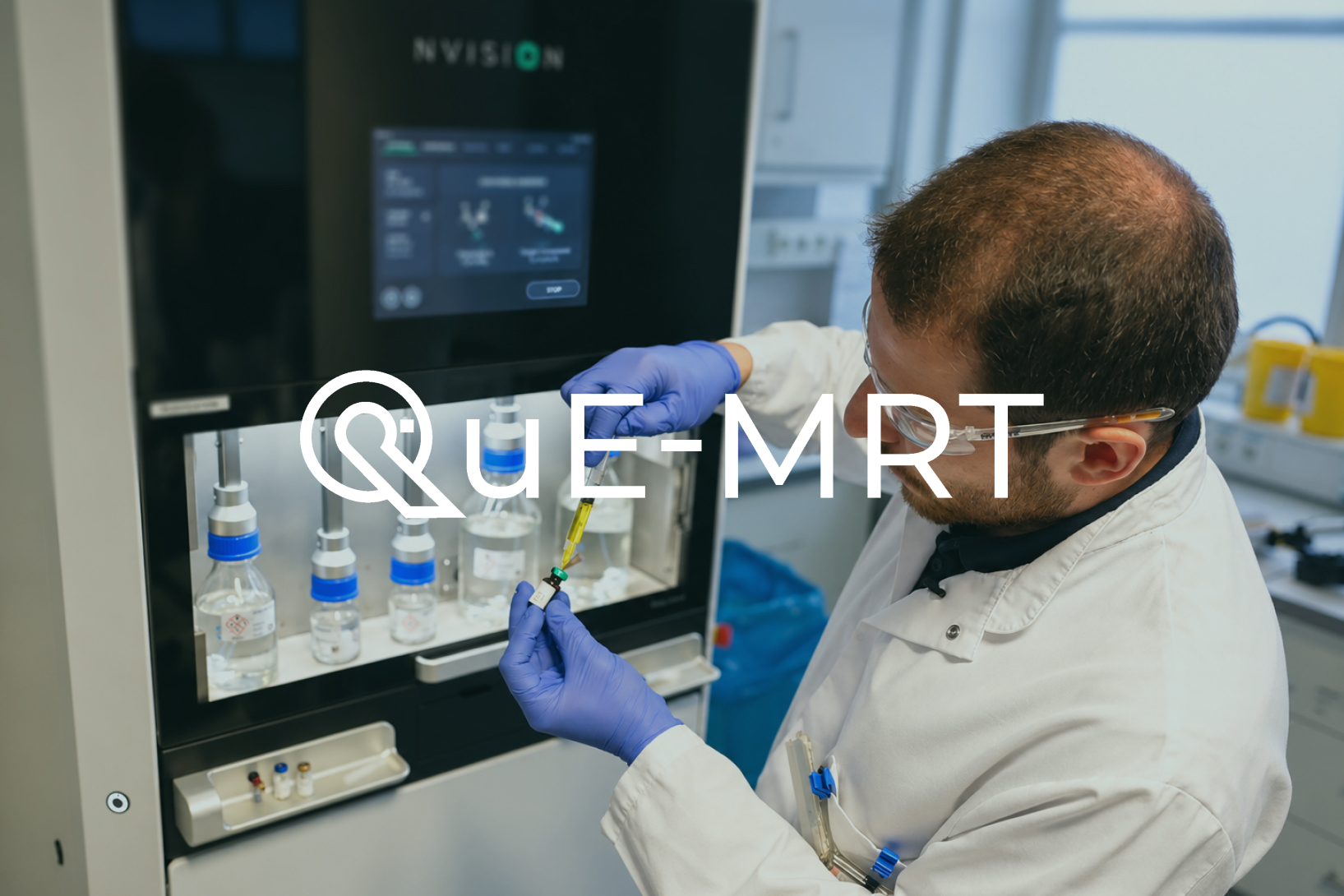
How can quantum-enhanced metabolic MRI and AI be combined to improve disease diagnosis and treatment monitoring? That is the question at the center of Q-AID, a European research project bringing together experts in imaging, AI, clinical research, and quantum technology.
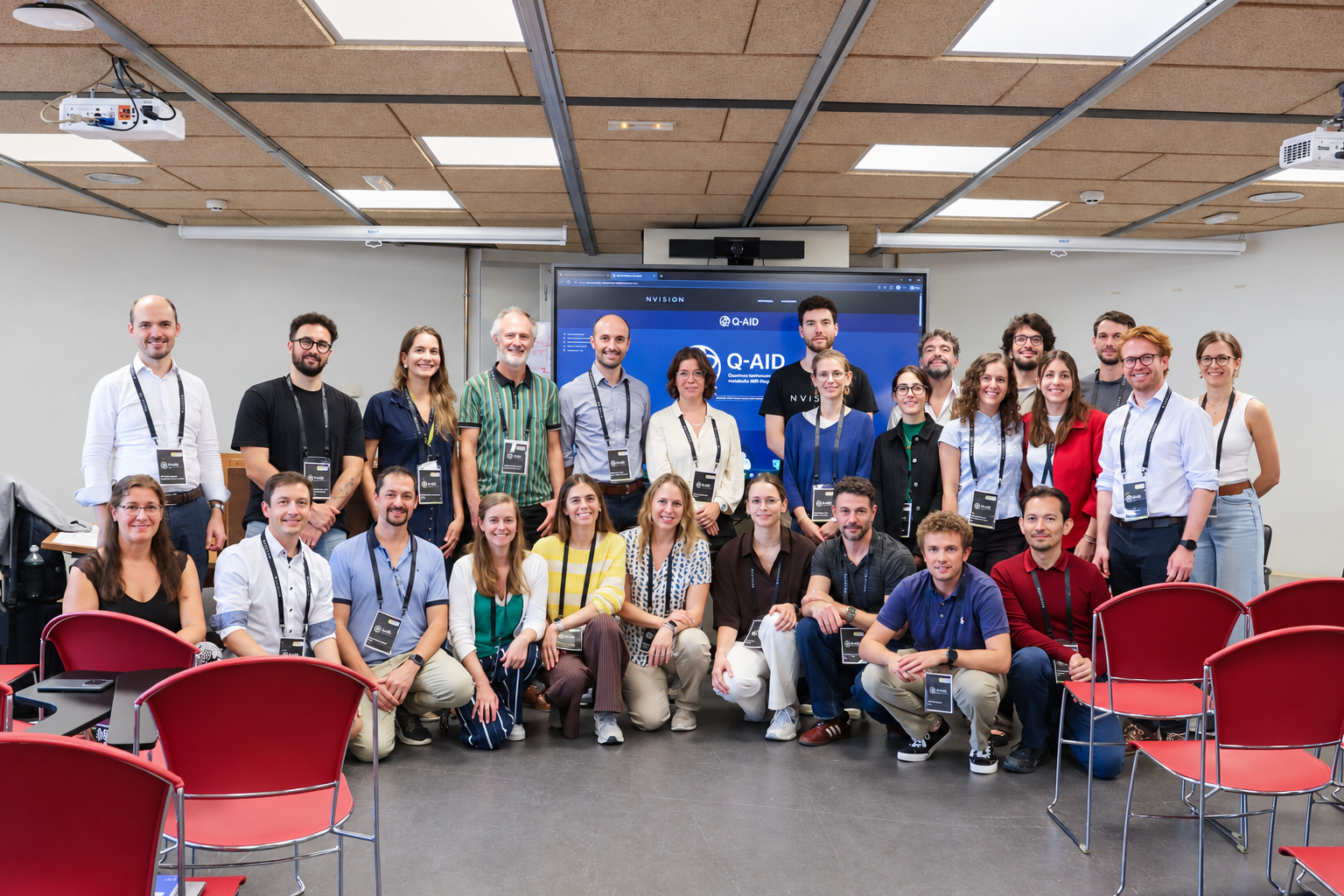
With the first two POLARIS polarizers now installed and joint studies about to begin, the Q-AID consortium came together in Barcelona for its first annual workshop. Hosted by Dr. Irene Marco Rius and her team at the Institute for Bioengineering of Catalonia (IBEC), the meeting brought together researchers from seven European partner institutions to align research protocols, discuss data analysis tools and plan the next steps.
What is Q-AID?
Q-AID (Quantum-enhanced and AI-powered metabolic MRI Diagnostics) is a four-year, €8.3 million project funded by the EU’s Digital Europe Programme and coordinated by NVision. It brings together industrial, clinical and academic partners from seven countries to combine quantum-enhanced metabolic MRI with artificial intelligence. Quantum-enhanced MRI allows researchers to visualize metabolism as it happens inside the body and AI tools can help turn these data into results that could support earlier, more accurate diagnosis and improved treatment monitoring of cancer and neurodegenerative diseases.
What the workshop achieved
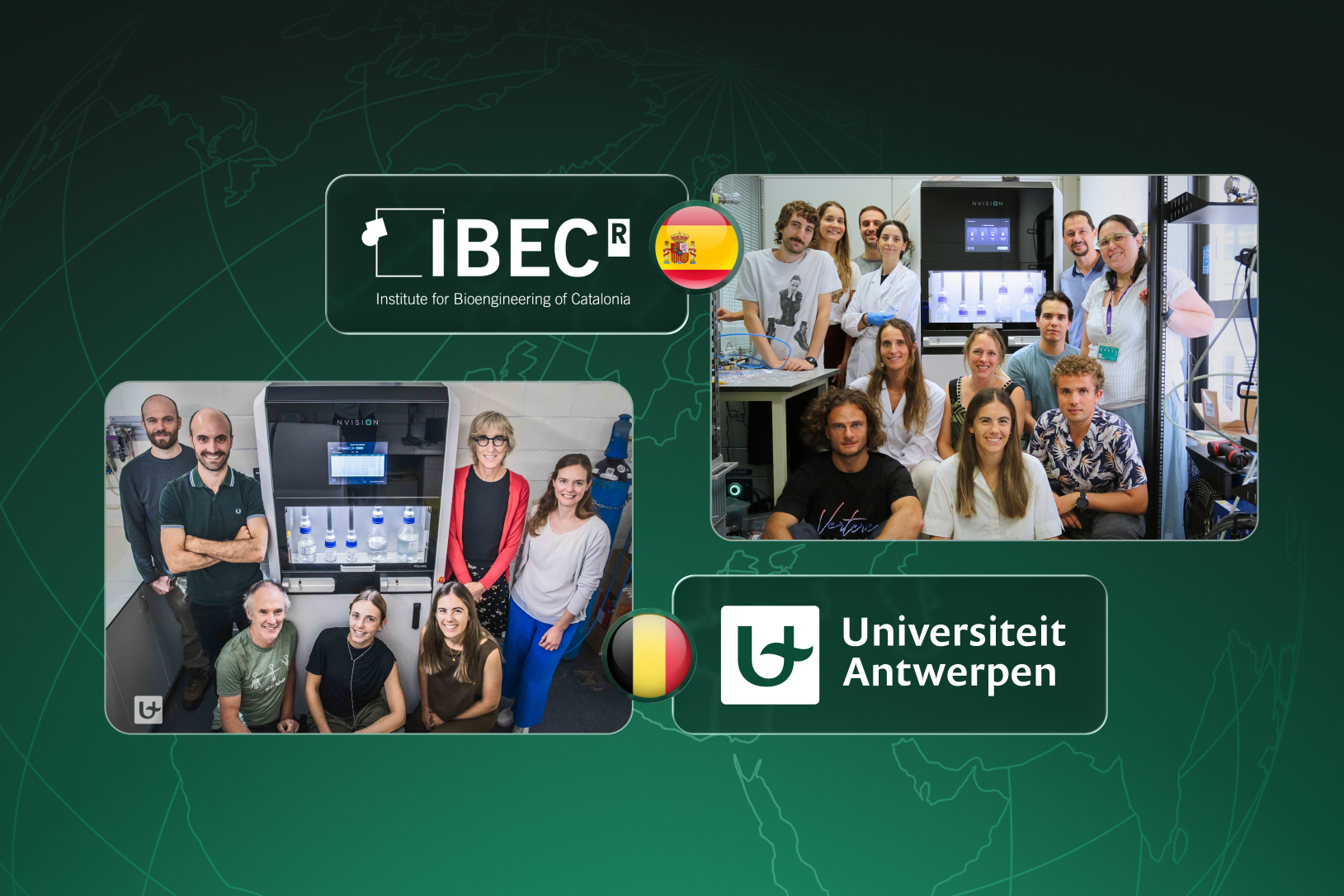
The consortium arrived in Barcelona with one of its major milestones already reached: Two POLARIS systems are now installed, one at IBEC and one at the University of Antwerp. The workshop started with a tour of the IBEC lab to see POLARIS and the team’s ovarian cancer-on-a-chip models, which they use to study tumor metabolism in real time.
A large part of the program was dedicated to data analysis and processing. In a multi-center project, results from different sites have to be comparable, which is why standard data analysis protocols are crucial. NVision demonstrated its software toolbox for standardizing the analysis of quantum-enhanced metabolic MRI data. Other partners presented new AI models for metabolic imaging.
The consortium received very positive feedback from the European Commission during the first reporting period, which highlighted Q-AID as a flagship project under the Quantum Europe Strategy.
The workshop also gave partners the opportunity to strengthen their connections outside the meeting room, with a guided walking tour through Barcelona and a joint dinner.
Next Steps for Q-AID
With both preclinical POLARIS systems in place, the consortium can now start collecting data across sites. First up is a joint study at IBEC and the University of Antwerp using the same glioblastoma model to ensure compatibility across sites, supported by shared protocols and a unified analysis pipeline.
In parallel, a regulatory task force will prepare the ground for clinical studies. The first of these, in oncology and neurology, are planned at clinical sites in France and Italy.
A big thank you to Dr. Irene Marco Rius and the IBEC team for hosting us, and to all partners for taking part!
Want to learn more?
Visit the Q-AID project page to learn more about the consortium and its goals, or reach out to our team!