
Precision Control of Quantum Behavior:
The Foundation of Quantum-Enhanced MRI by POLARIS
POLARIS is the first commercial application of NVision’s molecular quantum engineering. The same expertise in organic molecule design and spin control now also underlies our quantum computing technology. In POLARIS, those capabilities are used to amplify the MRI signal of metabolic imaging agents, allowing researchers to see metabolism in real time using standard MRI.
The Foundation of Quantum-Enhanced MRI
1. Engineered Organic Precursors
The process begins with specially engineered organic molecules (“precursors”) designed to support efficient non-cryogenic hyperpolarization. By tailoring molecular structure at the atomic level, NVision creates precursor systems optimized for rapid and highly reproducible transfer of quantum spin order into metabolites such as pyruvate.
2. Precise Spin Control
Through Parahydrogen-Induced Polarization (PHIP), POLARIS precisely controls the transfer of quantum spin order from parahydrogen gas into metabolic tracers. Using tailored spin-control methods the system generates hyperpolarized agents in seconds, enabling standard MRI systems to visualize real-time metabolic activity such as pyruvate-to-lactate conversion.
1. Engineered Organic Precursors
We design molecules with intrinsic quantum properties that make their signals easy to amplify. By moving the complexity into the chemical structure itself, we have eliminated the need for resource-intensive polarization hardware.
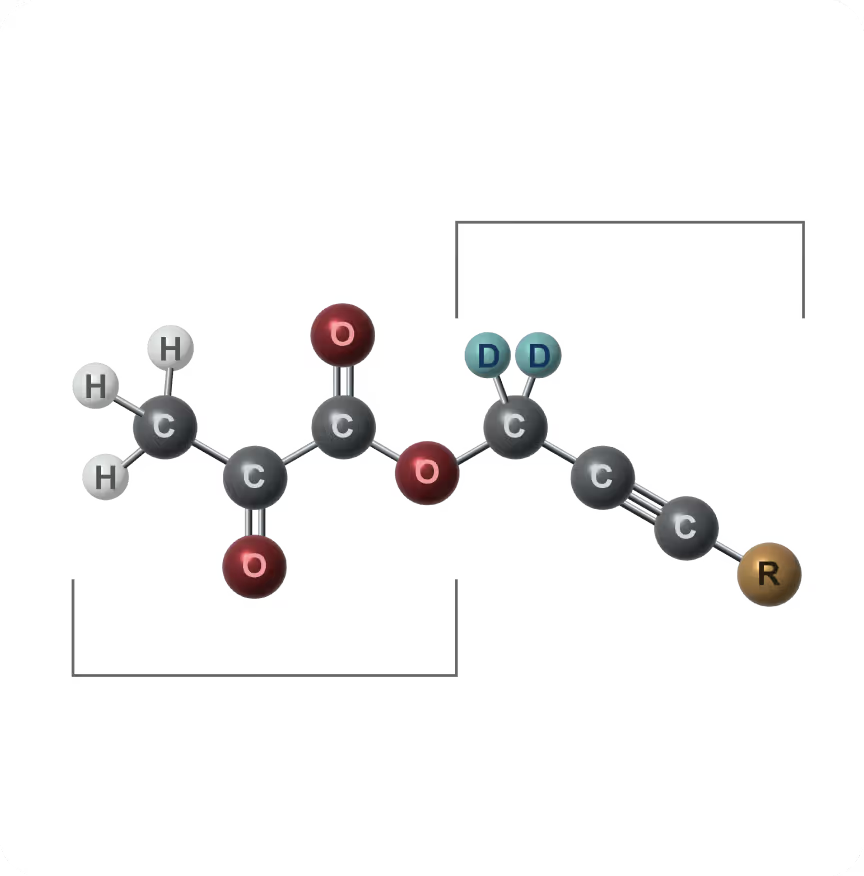
Molecular Systems Designed for Quantum Function
By embedding these quantum interactions directly into the molecular system itself, NVision replaces complex hardware-heavy workflows with a fast, non-cryogenic, scalable chemistry-based approach to MRI signal amplification (“hyperpolarization”).
2. Precise Spin Control
POLARIS uses controlled spin-transfer processes to produce hyperpolarized metabolic imaging agents in minutes and without use of cryogenics
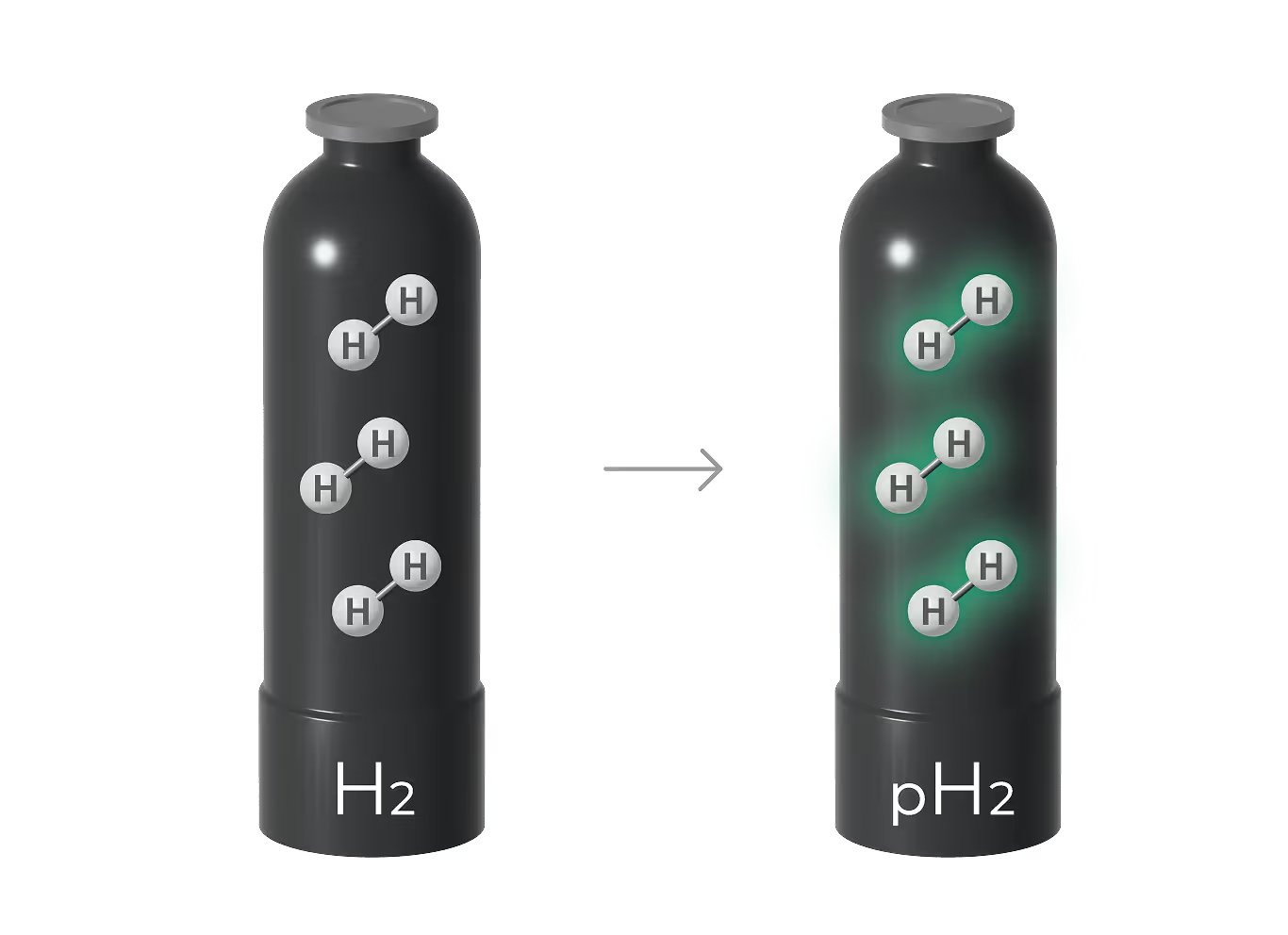
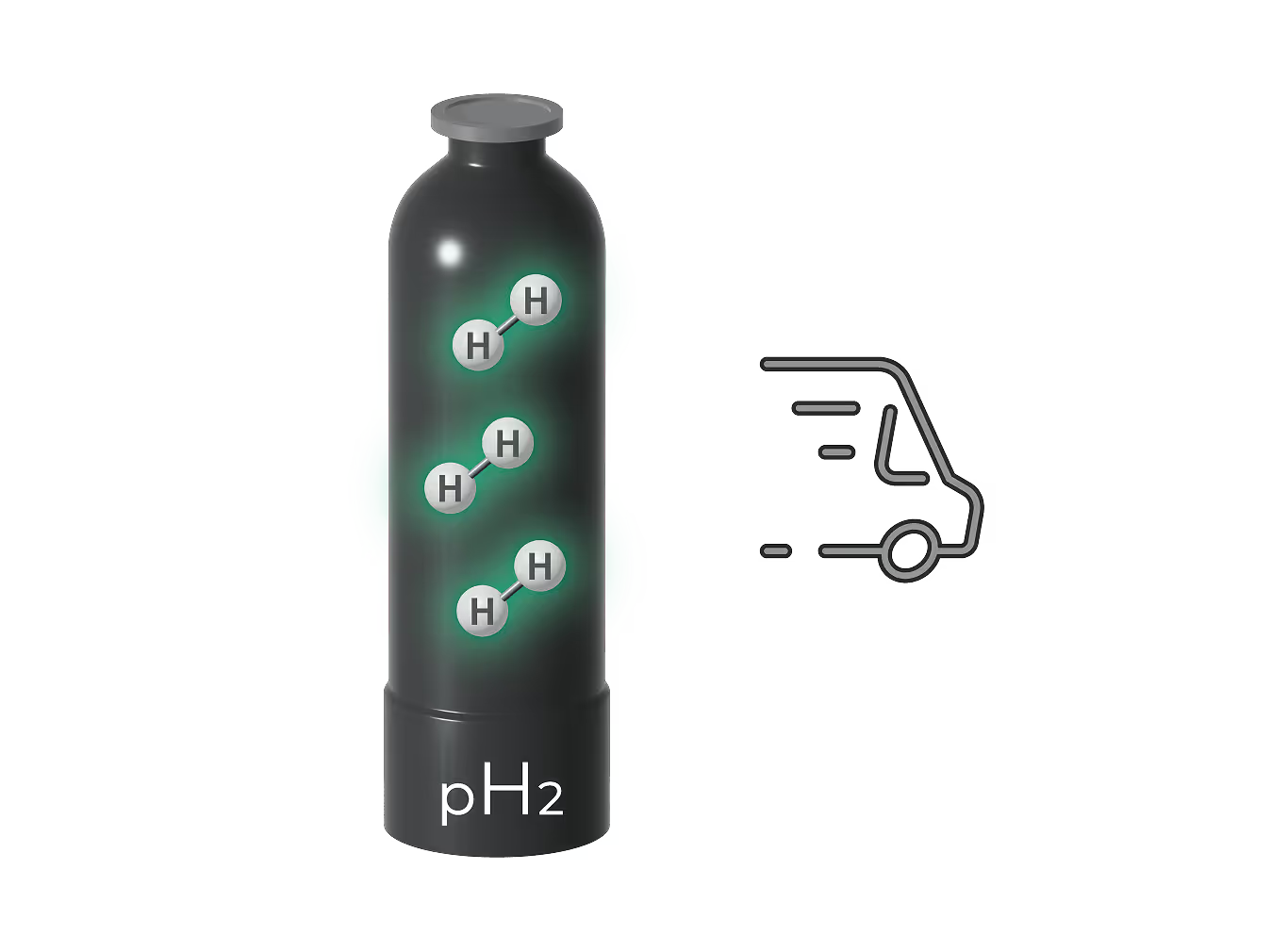
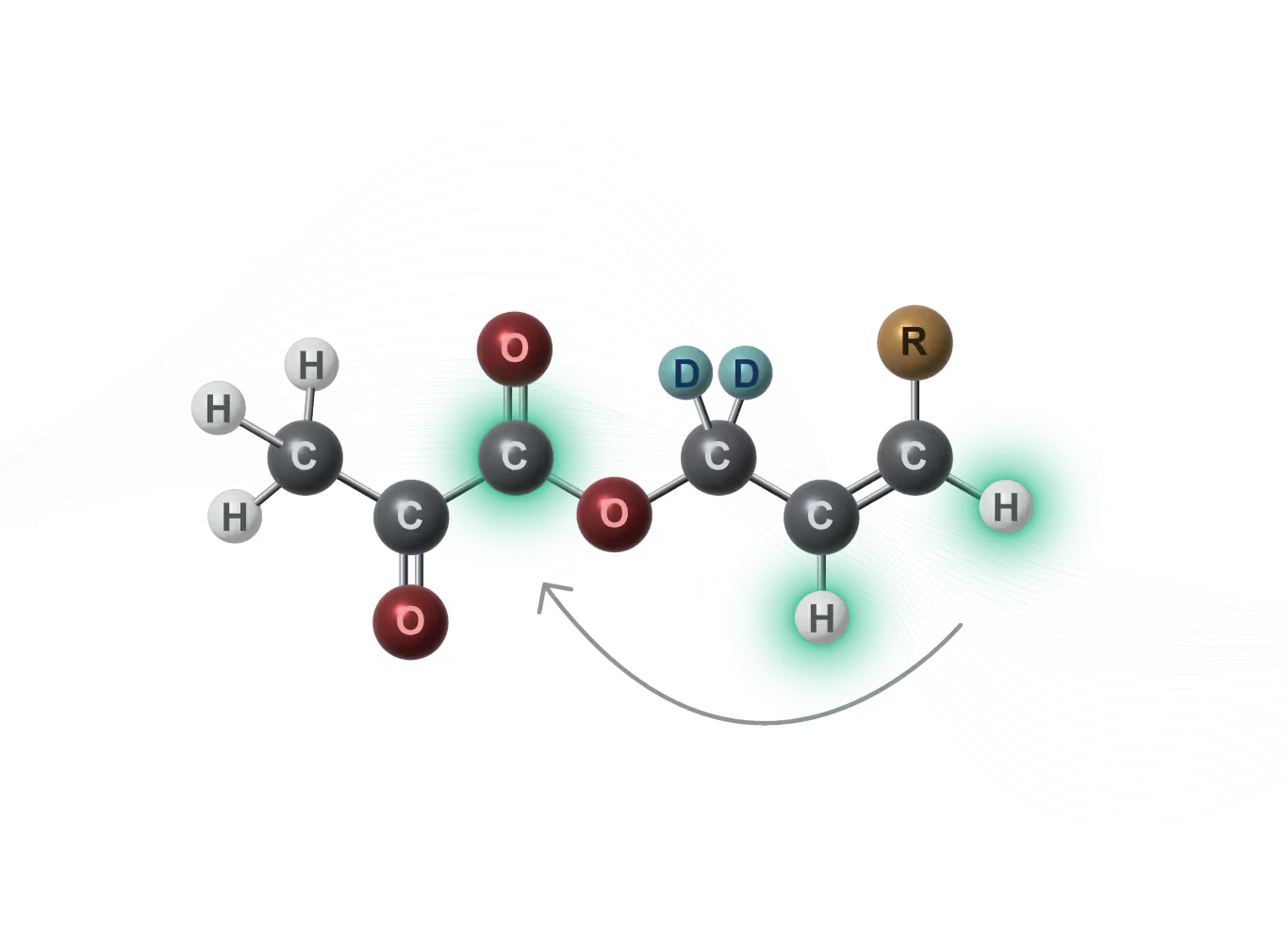
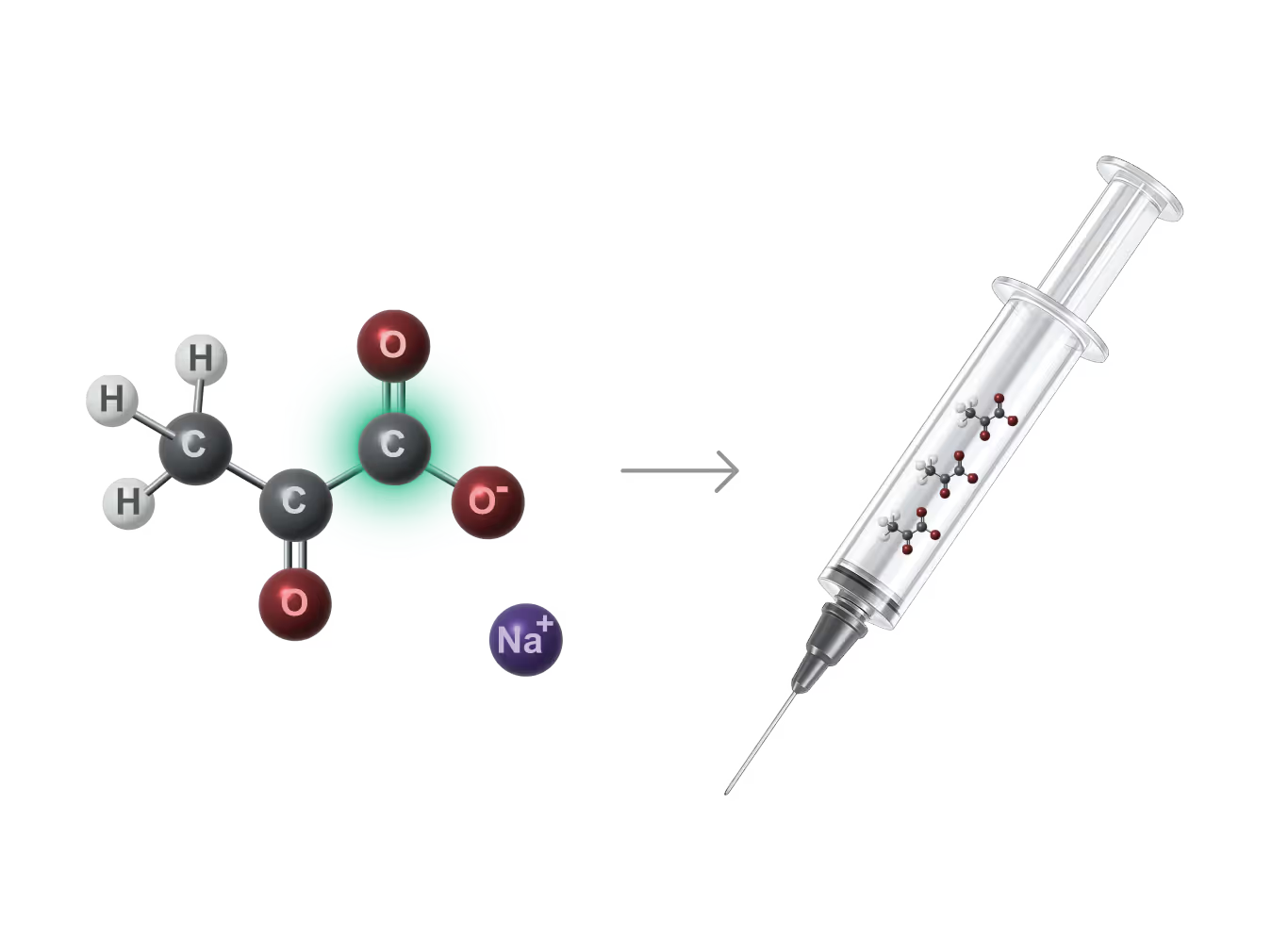
POLARIS translates quantum-engineered chemistry into best-quality metabolic data

Maximum Performance without the Complexity
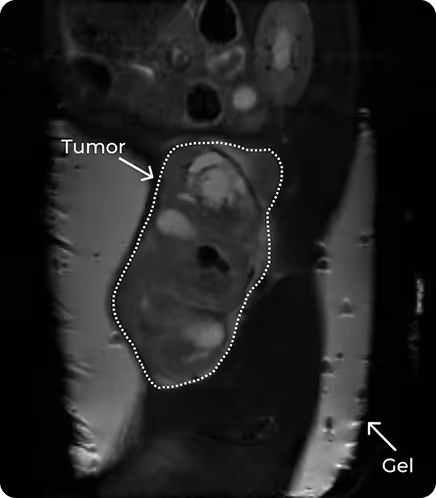
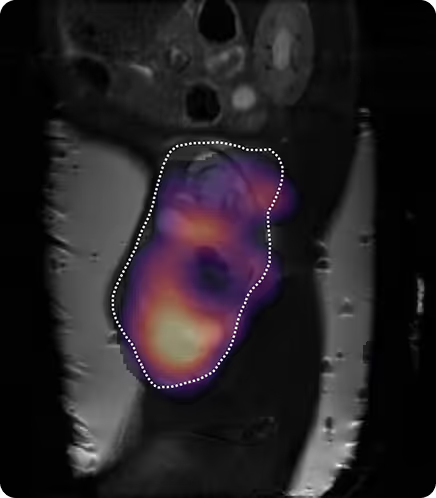
Room-temperature polarization in 3 minutes
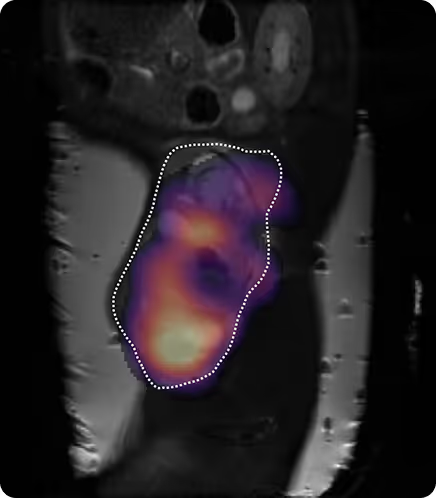
1 K polarization for >1 hour